Learn How to Write Japanese Kanji
Interactive kanji stroke order dictionary with detailed writing guides and animations
Japanese Kanji Stroke Order Dictionary
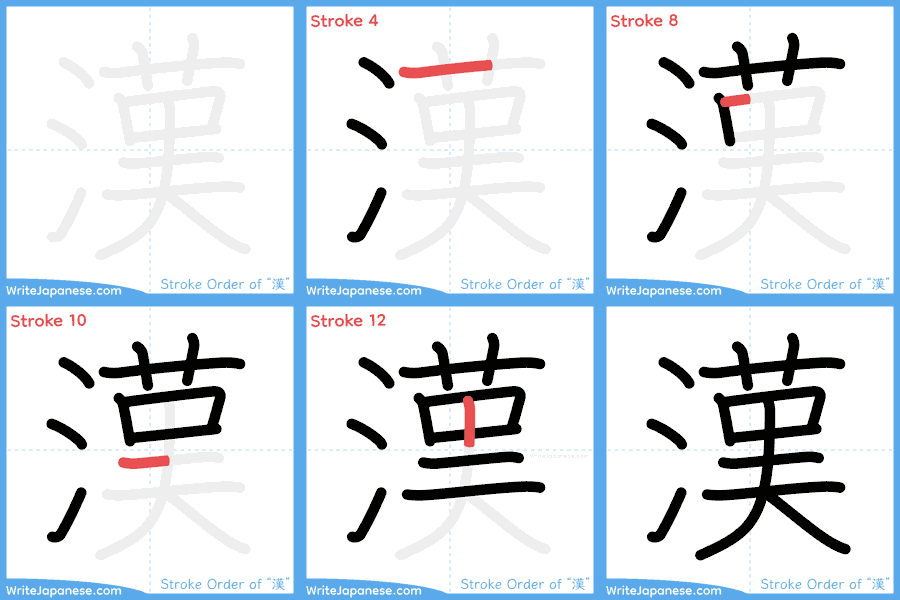
WriteJapanese is your complete Japanese writing companion. Learn to write kanji, hiragana, and katakana with proper stroke order through interactive animations and practice tools. Perfect for beginners to advanced learners.
Access 2,136 Joyo Kanji (常用漢字) with comprehensive coverage of JLPT levels (N5, N4, N3, N2, N1) and all Kanken grades (10級-1級). Each character page includes animated stroke order demonstrations, step-by-step stroke images, an interactive practice canvas, detailed information (radical, stroke count, grade level), Japanese and English meanings, on-yomi and kun-yomi readings with audio pronunciation, example words and phrases, cultural readings (Chinese pinyin, Korean, Vietnamese), multilingual translations, and downloadable practice worksheets.
Multiple search options make finding characters effortless: draw kanji with AI handwriting recognition, browse by radical (部首), filter by stroke count, or search directly. Our intelligent system adapts to your learning style.
Master authentic Japanese handwriting by learning correct stroke order and direction. This essential foundation improves character recognition, writing speed, and helps you produce natural, balanced Japanese text like native writers.
Kanji Stroke Order Rules – Quick Guide
Master kanji stroke order with these essential rules. Practice helps internalize patterns for speed, legibility, and proper character balance.
Basic Direction
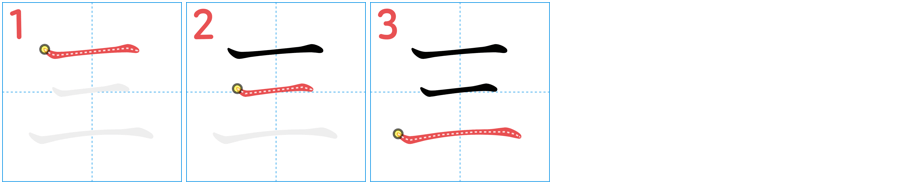
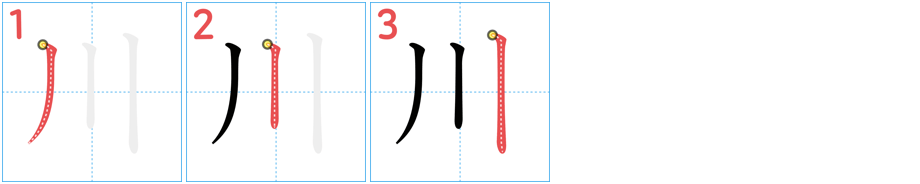
Write horizontal strokes left to right. Write vertical strokes top to bottom.
Stroke Order Priority
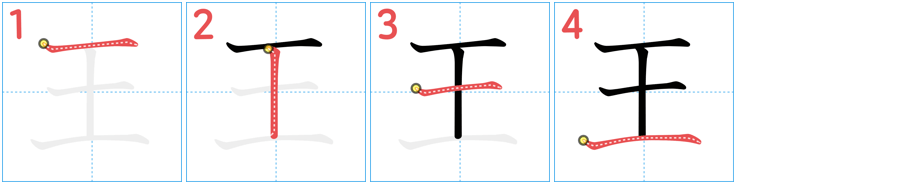
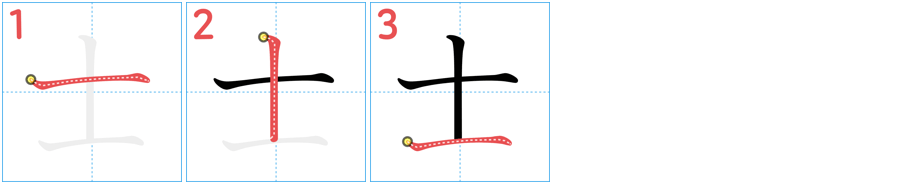
Horizontal before vertical in most cases. Start from the top-left corner of the kanji.
Center Vertical Before Symmetrical Sides
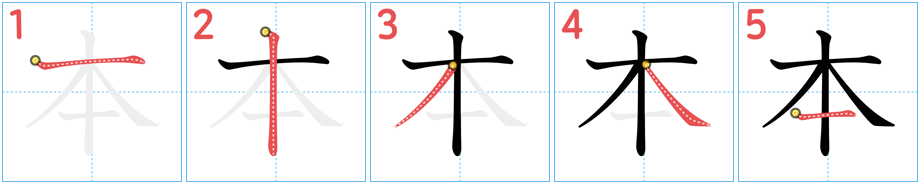
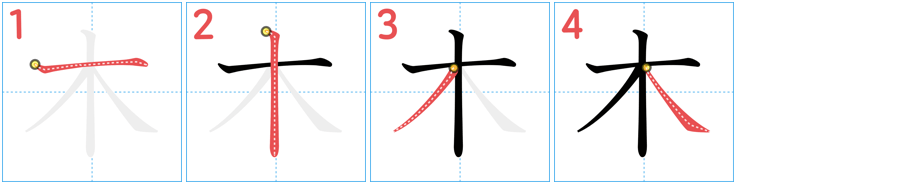
If a vertical stroke is flanked by symmetrical diagonals (e.g., 木), write the center vertical first.
Boxes (口) Are Three Strokes
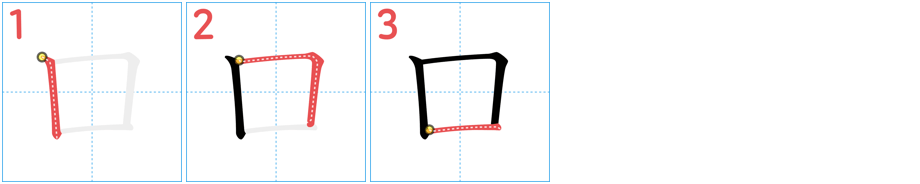
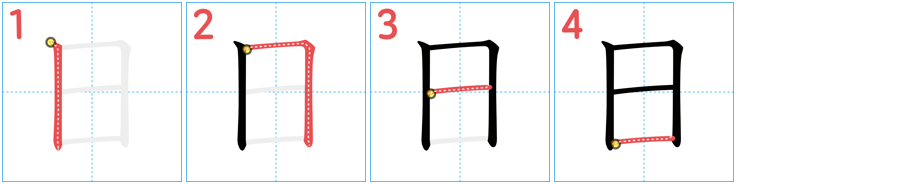
First: left vertical stroke. Second: top horizontal + right vertical (one stroke). Third: bottom horizontal.
Enclosures (Full or Partial)
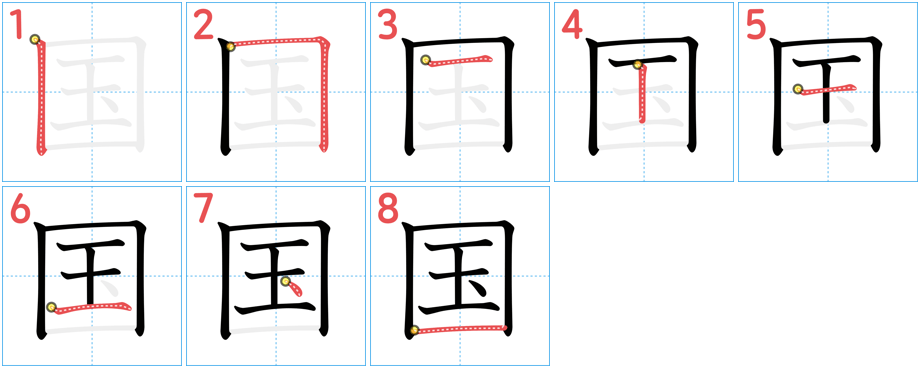
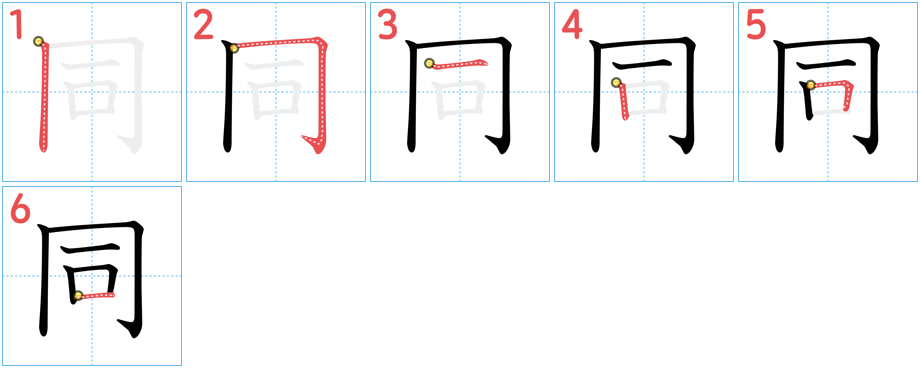
For enclosures (e.g., 国, 同), draw three sides first, then contents inside, finally close the bottom if applicable.
Bottom-Left Enclosures Last
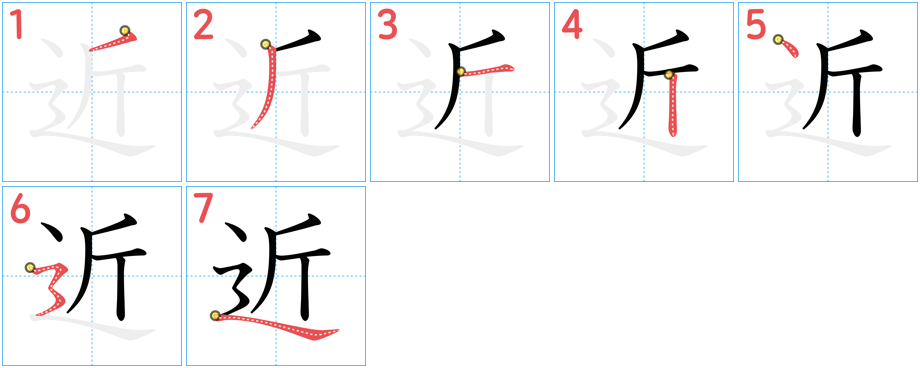
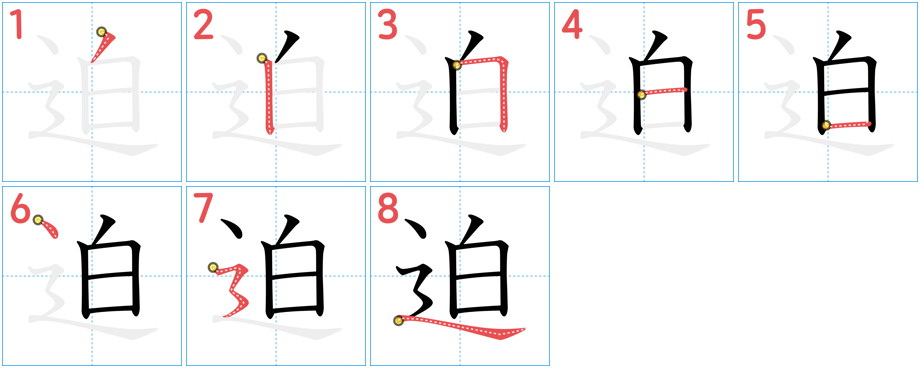
Components like ⻌ (in 近, 道) are written after the rest of the kanji.
Diagonals Order

Right-to-left diagonals (丿) before left-to-right diagonals (乀). If diagonals cross (e.g., 父), start with the top-right diagonal.
Crossing Strokes Last
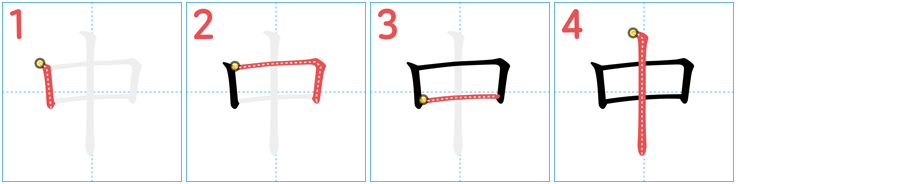
A stroke passing through many others (e.g., vertical in 書) is written after the strokes it crosses.
Dots and Small Strokes
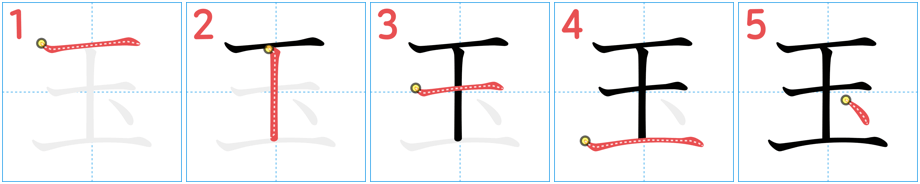
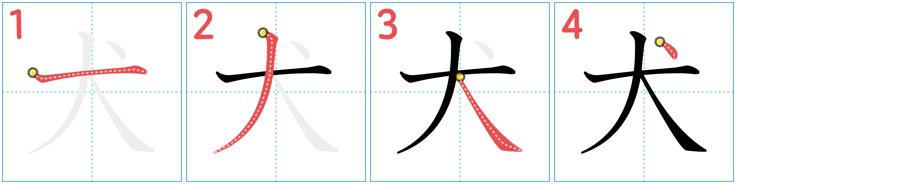
Usually written last, unless at the very top (e.g., 主) or part of a component within a larger kanji.
Write by Radicals/Sections
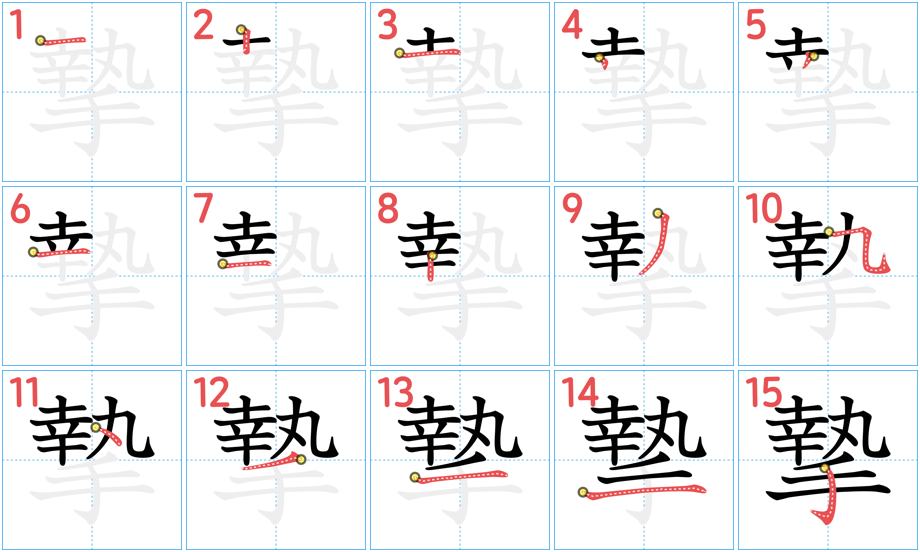
Break complex kanji into radicals. Write radical by radical, typically top-left to bottom-right. Reset stroke-order rules for each new radical.
Exceptions Exist
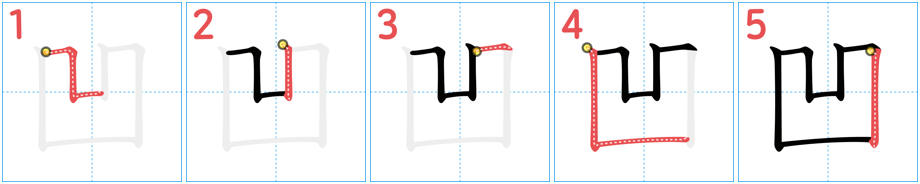
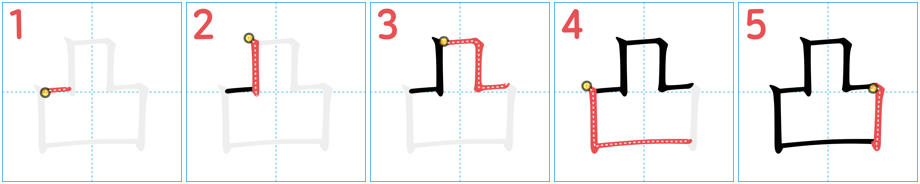
Some kanji have irregular stroke orders. Use our kanji learning tool at WriteJapanese.com for verification if needed.
Practical Tip
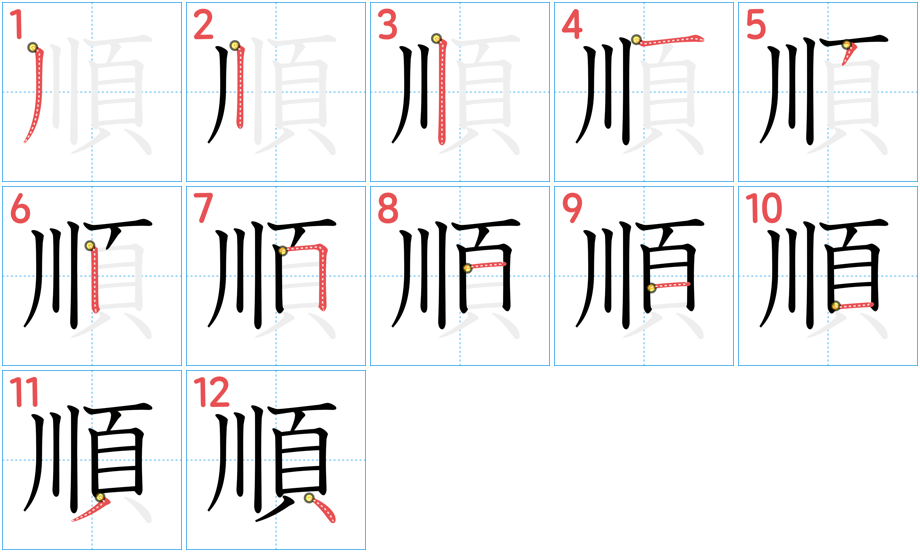
Practice helps internalize rules. Correct stroke order improves writing speed, legibility, and character balance.
Kanji Categories
Joyo Kanji
Browse 2,136 常用漢字 commonly used in Japan
JLPT N5
Beginner level - 80 essential kanji
JLPT N4
Elementary level - 170 kanji for basic communication
JLPT N3
Intermediate level - 370 kanji for everyday topics
JLPT N2
Upper-intermediate - 415 kanji for general topics
JLPT N1
Advanced level - 1,100+ kanji for complex texts